Jobless Claims Rise to 200,000, Slightly Above Forecasts
First-time U.S. jobless claims rose by 9,000 to 200,000 in the week ended Nov. 7, 2026, a bit above forecasts. Continuing claims fell to 1.697 million.
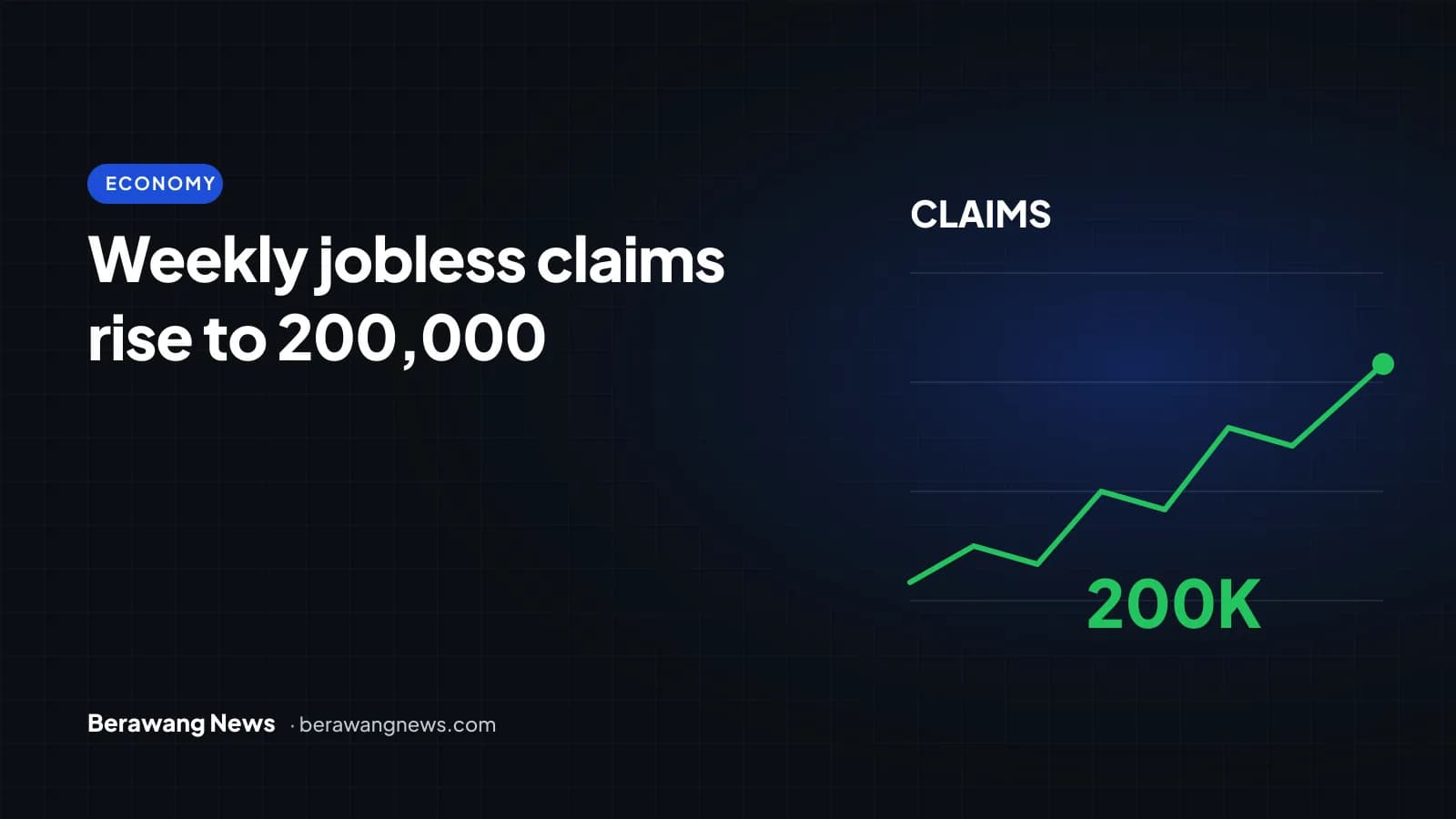
The number of Americans filing new claims for unemployment benefits rose last week but stayed low. Initial jobless claims climbed by 9,000 to a seasonally adjusted 200,000 in the week ended November 7, 2026, the Labor Department said on Thursday, November 12, according to Reuters and Anadolu Agency.
The key numbers
Measure | Latest | Change |
|---|---|---|
Initial claims (week ended Nov. 7) | 200,000 | +9,000 |
Prior week, revised | 191,000 | Revised up from 189,000 |
4-week average of initial claims | 195,250 | Unchanged |
Continuing claims (week ended Oct. 31) | 1.697 million | −20,000 |
Insured unemployment rate | 1.1% | Unchanged |
Sources: Anadolu Agency (all rows), with Reuters and TheStreet confirming the claims figures, citing the Labor Department.
Economists had expected a slightly lower number. Those polled by Reuters forecast 195,000 claims, while Anadolu Agency put the expectation at 194,000.
Why a small rise is not a big worry
Weekly claims are one of the fastest signals of layoffs. A reading near 200,000 is still low by historical standards. Claims have stayed at or below 200,000 since mid-September, Reuters noted, and remain close to the 189,000 reached in mid-July, which Reuters said was the lowest since 1969.
Continuing claims, which count people still receiving benefits after their first week, fell 20,000. Reuters cautioned that this measure does not capture every unemployed person, since some people have used up their benefits. It also pointed out that the median time people spent unemployed rose to 11.9 weeks in October from 11.5 weeks in September, the longest since November 2021, a sign that some job seekers are taking longer to land a new job.
The data comes after a strong October jobs report, when employers added 165,000 jobs and the unemployment rate fell to 4.1% from 4.2%.
What it means for investors
A firm job market gives the Federal Reserve more room to keep fighting inflation, which remains a worry after the latest October CPI report. That matters for savers and borrowers: higher rates can lift yields on savings accounts but make mortgages and credit cards more expensive, and they can weigh on stock prices. Our guide to CPI inflation explains how prices and rates connect.
This article is for information only and is not investment advice.