What Is the CPI? How U.S. Inflation Is Measured
The Consumer Price Index is the most watched measure of U.S. inflation. Learn what it tracks, CPI-U vs. core CPI, when it is released, how it differs from PCE and why it moves markets.
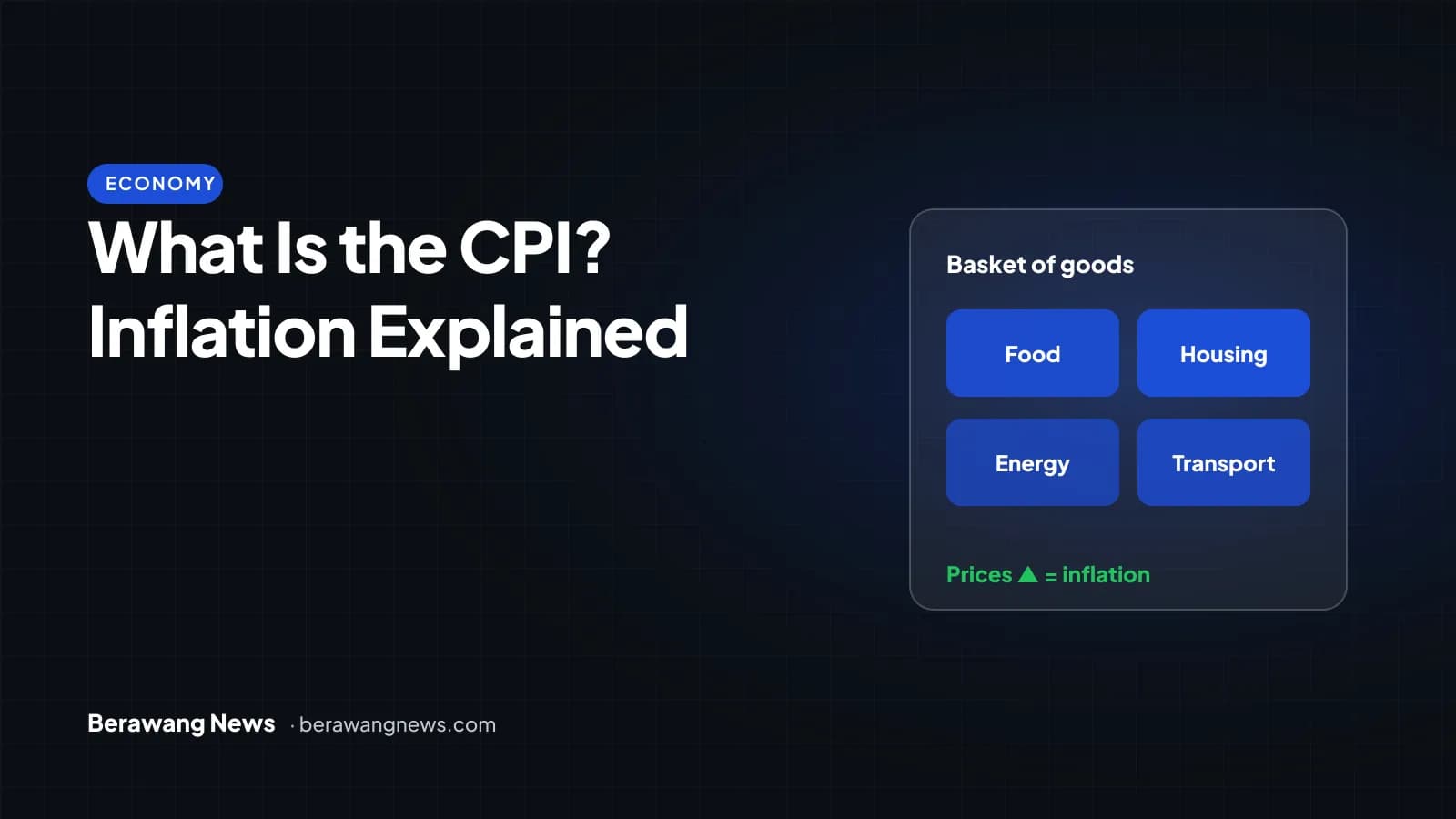
The Consumer Price Index (CPI) measures the average change over time in the prices consumers pay for a basket of goods and services, from groceries and gas to rent and doctor visits. When the CPI rises, prices are rising: that is inflation. It is published every month by the Bureau of Labor Statistics (BLS), part of the U.S. Department of Labor.
What the CPI measures
BLS tracks prices across categories such as food, housing, energy, transportation, medical care, apparel and education. Each month it collects prices from thousands of stores and service providers and from rental housing in 75 urban areas across the country.
The index is set so that the average for 1982–84 equals 100. A CPI of 320, for example, means the same basket costs about 3.2 times what it did in 1982–84.
CPI-U, CPI-W and core CPI
Measure | What it covers |
|---|---|
CPI-U (the headline number) | All urban consumers, more than 90% of the U.S. population |
CPI-W | Urban wage earners and clerical workers, about 30% of the population; used for Social Security cost-of-living adjustments |
Core CPI | All items less food and energy, which swing a lot from month to month |
News reports usually quote two figures: the change from the previous month and the change over the past 12 months.
The latest CPI reading
- October 2026 (released November 10, 2026): CPI-U rose 0.4% from September, seasonally adjusted. Core CPI rose 0.3%. BLS did not publish 12-month changes for October because it did not collect October 2025 data during the 2025 lapse in federal funding.
- September 2026 (released October 14, 2026): prices were up 3.7% over the previous 12 months, and core prices were up 2.6%.
The November 2026 CPI is scheduled for Thursday, December 10, 2026, at 8:30 a.m. ET. Check the BLS release schedule for later dates.
CPI vs. PCE: which one does the Fed use?
The Federal Reserve’s inflation goal is 2% over the longer run, as measured by the annual change in the price index for personal consumption expenditures (PCE). The PCE index comes from the Department of Commerce, while the CPI comes from the Department of Labor. The Fed says it uses PCE largely because it covers a wide range of household spending and adapts more quickly to changes in what people buy.
Markets still watch the CPI closely because it comes out first each month and moves expectations for the Fed’s next interest-rate decision.
Why CPI matters to investors
- Interest rates: higher-than-expected inflation can push the Fed to keep rates high, which tends to weigh on stocks and bonds.
- Your purchasing power: if your savings earn less than inflation, they lose value over time. Compare rates with our compound interest calculator.
- Market moves on release day: CPI is published at 8:30 a.m. ET, before the stock market opens; see stock market hours.
Long-term investors often focus less on any single report and more on building a diversified portfolio; start with how to start investing in stocks.
Frequently asked questions
When is the CPI released?
Monthly, usually around the middle of the month, at 8:30 a.m. Eastern time. BLS publishes the full schedule on its website.
What is core CPI?
Core CPI is the index for all items except food and energy. Many economists watch it because food and energy prices are volatile.
Is the CPI the Fed’s inflation target?
No. The Fed’s 2% target is measured with the PCE price index, though it watches the CPI as well.
Why was there no 12-month CPI figure for October 2026?
BLS did not collect October 2025 price data because of the 2025 lapse in federal appropriations, so it could not calculate year-over-year changes for October 2026.
This guide is for education only and is not investment advice.
Sources
- BLS: Consumer Price Index, frequently asked questions
- BLS: Consumer Price Index overview
- BLS: Consumer Price Index news release (October 2026, released November 10, 2026)
- BLS: Consumer Price Index news release (September 2026, released October 14, 2026)
- BLS: CPI release schedule
- Federal Reserve: Why does the Federal Reserve aim for inflation of 2 percent over the longer run?
- Federal Reserve: What are the price indexes the FOMC uses?